
How to Prevent a Bed Bug Infestation in Your Home
Introduction: Understanding the Risk of Bed Bug Infestations
Welcome to our blog! Today, we’re discussing a topic that can make anyone’s skin crawl – bed bug infestations. These tiny, blood-sucking pests can turn your peaceful home into a nightmare. Besides causing itchy bites, they can also lead to an array of health issues, including allergic reactions and sleep deprivation. Understanding the risk of bed bug infestations is the first step towards preventing them. So, let’s dive in and learn how to keep these unwelcome guests out of our homes.
Identifying Bed Bugs: Know Your Enemy
Identifying bed bugs is the first crucial step in preventing an infestation in your home. These tiny pests are about the size of an apple seed, oval-shaped, and brownish in color. They swell and turn reddish after feeding on blood. Bed bugs are nocturnal and often hide in places like mattress seams, bed frames, and headboards during the day. You may also spot their droppings, which are tiny, dark spots, or their shed skins. Remember, early detection is key in preventing a full-blown infestation.
The Dangers and Consequences of a Bed Bug Infestation
Bed bug infestations can pose serious risks to your health and comfort. These small, nocturnal pests feed on human blood, causing itchy, red bites that can lead to secondary skin infections if scratched excessively. Moreover, bed bugs are known to trigger allergic reactions in sensitive individuals, and their presence can lead to sleep disturbances, anxiety, and even social isolation due to the stigma attached. Additionally, eradicating bed bugs can be a costly and time-consuming process, often requiring professional pest control services. Therefore, preventing bed bug infestations is crucial to maintaining a healthy and stress-free living environment.
Preventive Measures: Regular Cleaning and Maintenance
Preventing a bed bug infestation in your home can be as simple as regular cleaning and maintenance. It’s essential to vacuum your home frequently, particularly in areas where bed bugs might hide, like in the crevices of furniture or the seams of mattresses. Washing your linens and clothes regularly in hot water can also kill any bed bugs that might be lurking. Regularly inspecting your home for signs of bed bugs is another vital preventive measure. If you notice any signs of an infestation, like small rust-colored stains on your sheets, it’s time to call a professional pest control service. Regular cleaning and maintenance can help keep your home bed bug-free.
The Role of Professional Pest Control Services in Prevention
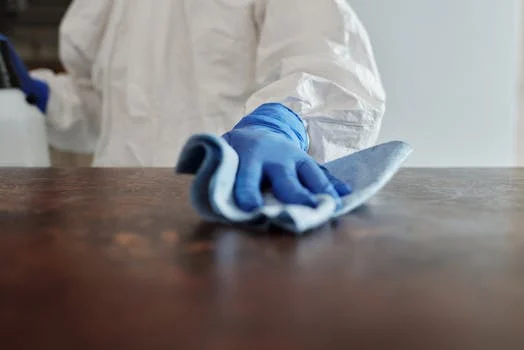
Professional pest control services play a vital role in preventing bed bug infestations in your home. These experts not only eliminate existing pests but also implement preventive measures to stop future invasions. They conduct thorough inspections to identify any hidden infestations, then use specialized tools and techniques to treat them effectively. Moreover, they offer valuable advice on maintaining a clean and pest-free environment. Regularly hiring a professional pest control service can save you from the discomfort and health risks associated with bed bug infestations. In essence, their expertise is crucial in ensuring your home remains a safe and comfortable space.
Travel Wisely: Avoiding Bed Bugs While On the Move
When traveling, it’s important to stay vigilant to prevent bringing bed bugs back to your home. Always inspect your hotel room thoroughly upon arrival. Look for signs of bed bugs on mattresses, especially along the seams, behind the headboard and in cracks. Keep your luggage off the floor and use luggage racks if available. Once home, immediately wash your clothes in hot water and thoroughly check your luggage. Following these simple yet effective steps can go a long way in ensuring you travel wisely and keep your home bed bug-free.
Second-Hand Items: A Potential Risk for Bed Bug Infestations
When trying to prevent a bed bug infestation in your home, it’s crucial to be cautious with second-hand items. These items, especially furniture and clothing, can be a hidden source of bed bugs. The pests are notorious for their hitchhiking habits, easily attaching themselves to items and traveling to new locations. When you bring these infested items into your home, you risk introducing bed bugs into your space. Therefore, it’s advisable to thoroughly inspect and clean any second-hand items before bringing them into your house. In extreme cases, consider seeking professional pest control advice for items that you suspect might be infested.

Using Bed Bug-Proof Covers for Mattresses and Furniture
Using bed bug-proof covers for your mattresses and furniture is an effective preventive measure against bed bug infestation. These covers are designed to encase your mattresses and furniture, creating an impenetrable barrier that bed bugs cannot cross. This not only helps to prevent new infestations, but also traps any existing bugs inside, causing them to eventually die off. It’s important to ensure these covers remain on your furniture for at least a year, as bed bugs can survive for a long time without feeding. Remember to keep the covers sealed at all times to prevent bed bugs from escaping or entering.
Natural Remedies and DIY Methods for Bed Bug Prevention
Preventing a bed bug infestation in your home doesn’t always require professional help. With natural remedies and DIY methods, you can keep these pesky critters at bay. Start by maintaining cleanliness; regular vacuuming can remove any hidden bugs or eggs. Using essential oils like tea tree, lavender, or peppermint can also deter bed bugs due to their strong scent. Simply mix these oils with water and spray them around your house, especially in the bedroom. Another effective method is to use diatomaceous earth, a non-toxic powder that dehydrates and kills bed bugs. Just sprinkle it around areas where you suspect bed bugs may be hiding. Remember, prevention is always better and cheaper than treatment.
Conclusion: Keeping Your Home Bed Bug-Free for Good
In conclusion, maintaining a bed bug-free home is not a one-time task, but a continuous effort. Regularly clean and declutter your home to prevent providing hiding spots for these pests. Invest in bed bug-proof mattress encasements and routinely inspect your home for any signs of an infestation. If you spot any, act promptly by calling a professional exterminator. Remember, the key to a bed bug-free home is prevention and early detection. With diligence and attention to detail, you can keep your home free from these unwelcome guests for good.