
Flea Infestations in St. Louis: Why Professional Flea Pest Control Works Better Than DIY
You spot one flea on the dog, then a few more hopping across the carpet, and suddenly your ankles are covered in itchy red bites. You wash the bedding, run the vacuum, maybe set off a bug bomb. A week later they are back. If this sounds familiar, you are not doing anything wrong. Fleas are one of the hardest household pests to eliminate on your own, and that is why professional flea pest control is often the faster, more lasting fix for St. Louis homes.
Why Fleas Are So Hard to Get Rid Of
The problem is the flea life cycle. According to the CDC, most fleas have four life stages: egg, larva, pupa and adult. The adult fleas you see biting are only one stage. Adult females lay eggs that drop off the pet and scatter into carpet, rugs, furniture, pet bedding and cracks in the floor.
Those eggs hatch into larvae that hide deep in fibers away from light. The larvae spin cocoons, and the pupae inside can stay dormant for weeks or even months, waiting for the vibration and warmth of a nearby host. When conditions are right, a new wave of adults emerges.
That means a large share of any infestation is hiding in your home at stages that store-bought sprays often do not reach. You can kill every adult flea you see and still have a fresh batch emerging next week.
Why Fleas Are an Issue in Fall
Many people think of fleas as a summer problem, but as the weather cools in Missouri, pets and wildlife spend more time near or inside the house. Heated homes give fleas a comfortable environment through the colder months, so an infestation that started in the yard can move indoors and keep going. If you notice scratching in October, it is worth acting before it becomes a winter-long problem.
Signs You May Have Fleas
- Pets scratching, chewing or biting at their skin more than usual
- Small, dark specks (flea dirt) in pet fur or bedding
- Red, itchy bites on ankles and lower legs
- Tiny jumping insects on carpets, furniture or pet areas
- Flea activity after visits to shady spots in the yard, under decks or near crawl spaces
Where DIY Flea Control Falls Short
Store-bought foggers, sprays and powders can reduce the number of adult fleas, but they have limits:
- Hidden life stages: eggs, larvae and pupae are not always reached by over-the-counter products.
- Missed areas: fleas settle in places that are hard to see, like under furniture, along baseboards and in pet resting spots.
- Outdoor reservoirs: if the yard still has fleas, they will keep returning inside.
- Timing: treating once rarely breaks the cycle, because new fleas keep emerging from cocoons.
Repeated rounds of DIY products can also mean spending more money and time over several weeks without a clear result. The CDC notes that moderate to severe infestations can take months to control and usually need follow-up treatments.
What Professional Flea Pest Control Looks Like
When you work with a professional flea exterminator in St. Louis, treatment is built around the flea life cycle rather than only the adults. While every home is different, a typical visit includes:
- Inspection: a technician checks where pets rest, where the activity is, and which areas of the yard may be harboring fleas.
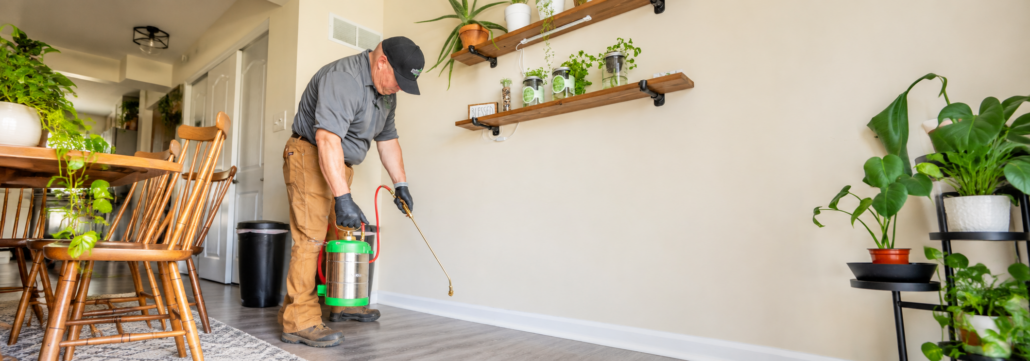
- Targeted indoor treatment: products are applied to the places fleas hide, such as baseboards, carpet edges and under furniture.
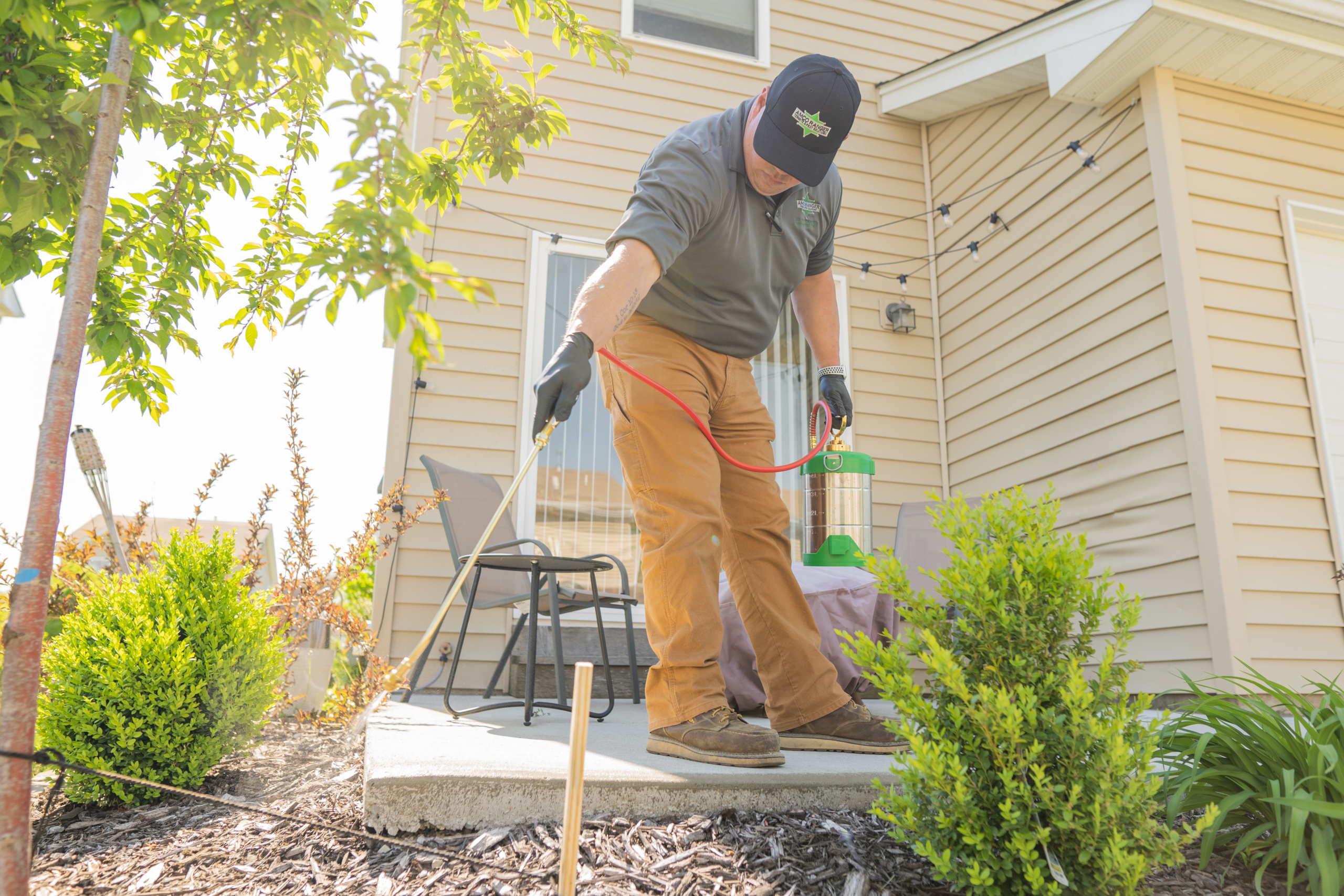
- Outdoor treatment: flea control for the yard targets shaded, moist areas where pets spend time, like mulch beds, shrubs and patio edges, to reduce the number of fleas that can return inside.
- Guidance and follow-up: you receive instructions on vacuuming, laundering and pet care, and your technician will let you know if a follow-up visit is recommended.
Because the technician is working across the life cycle, you are more likely to break the cycle instead of chasing adults week after week. If you are unsure how to get ready, Amco Ranger has a helpful guide on how to prepare for a visit.
What You Can Do Alongside Treatment
If you are wondering how to get rid of fleas in the house faster, these simple steps support your professional treatment:
- Talk to your veterinarian about flea control for your pets. Treating the animals is a key part of ending an infestation.
- Wash pet bedding and your own bedding in hot water.
- Vacuum carpets, rugs, upholstery and floor edges frequently, and empty the vacuum outside afterward. The EPA recommends daily vacuuming as the best first step for controlling fleas indoors.
- Keep grass trimmed and clear leaf piles and debris where pets rest outdoors.
- Follow your technician’s instructions about when pets and family can re-enter treated areas.
Why Choose Amco Ranger Termite & Pest Solutions
Amco Ranger Termite & Pest Solutions is a family-owned pest control company that has been serving the St. Louis area since 1965. Our team is based in Cottleville and serves homeowners across St. Louis, St. Charles, Lincoln and Warren counties. You can see the full list of service areas or learn more about our pest control services. Flea and tick control is one of the services we provide, and we offer free, no-obligation inspections backed by a 100% satisfaction guarantee.
Frequently Asked Questions
How long does it take to get rid of fleas?
It varies. Because new fleas can keep emerging from cocoons, it can take a few weeks to fully clear an infestation, even with treatment. Your technician can set expectations for your home.
Can I stay home during treatment?
Your technician will tell you what to do for your household and pets. Ask about preparation and re-entry before the visit.
Do I need to treat my pets too?
Yes. Pets are a common source of fleas, so talk to your veterinarian about the right flea control for your animals.
Are fleas only a problem if I have pets?
No. Wildlife and stray animals can leave fleas in the yard or around the house, and fleas can enter on clothing or visiting pets.
Is professional flea pest control worth it?
For most homes with an active infestation, yes. DIY products often reach only the adult fleas, so you can end up buying round after round of sprays without breaking the cycle. Flea treatment cost depends on the size of your home, how severe the infestation is and whether the yard needs treatment too. A free inspection from Amco Ranger gives you a clear picture of what your home needs before you commit.
Get Rid of Fleas for Good
Do not spend another week scratching. Call Amco Ranger Termite & Pest Solutions at (636) 441-BUGS (St. Charles) or (314) 373-BUGS (St. Louis), or schedule a free inspection and we will help you get your home and yard back to normal. You can also browse our frequently asked questions.
